What is a volunteer work camp?
There are many ways to combine cultural discovery, a change of scenery, and volunteering; however, it is important to understand the nuances of each option to make an informed choice.
One such option is the "volunteer work camp"—also known as a participatory building project—which offers a short-term commitment ranging from a weekend to a few weeks. This is ideal for those with a passion for historic architecture or individuals looking to gain skills in building restoration or construction.
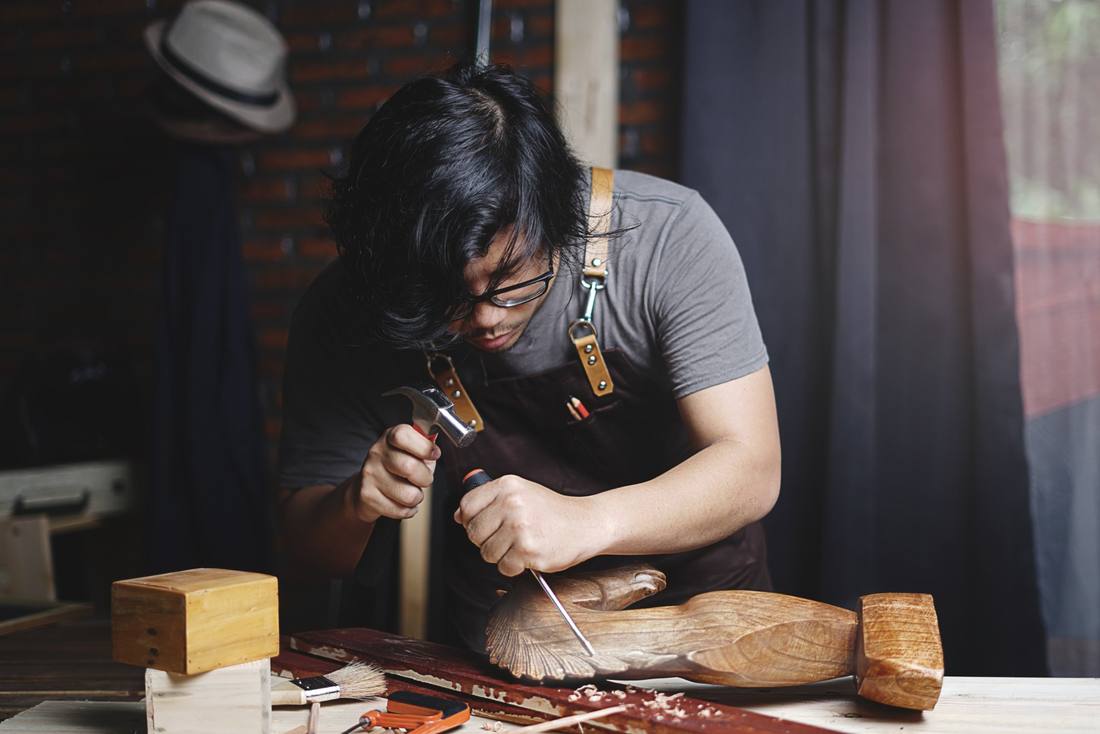
A volunteer work camp is a construction or renovation project carried out by a group of volunteers to support a social or environmental cause. These projects can be local or international. Participants work together to build or restore infrastructure—such as schools, public gardens, community centers, castle ruins, or historic monuments—or even private homes, though the latter may have less of a social focus.
Short-term unpaid missions
These projects are generally brief, lasting anywhere from a weekend to a few weeks. Unlike a "civic service" placement, which lasts six months to a year, or an international solidarity volunteer mission (which can last one to two years, with the possibility of renewal), these work camps offer a short-term volunteering experience that can easily be scheduled during a weekend or school holidays. The concept is designed to attract young people, often with no prior experience, though, of course, everyone is welcome.
By nature, these missions are unpaid, and volunteers may sometimes be asked to contribute toward expenses, primarily for travel, accommodation, and food. There are various perspectives regarding fee-paying volunteering, where the volunteer contributes financially. It is up to you to decide whether you are comfortable with this arrangement. If you believe the objective or the skills you stand to gain are worth it, then go for it! If, however, you disagree with the principle—for instance, if you possess skills that you believe warrant compensation—consider whether other types of assignments might be a better fit. It is in everyone’s best interest that you feel fully committed to the project.
Supporting local communities
Community-based volunteer construction projects are often organized by associations, NGOs, or local authorities. They bring together motivated volunteers, guided by an experienced professional, to assist communities in need, foster solidarity between peoples and cultures, and raise awareness about social and environmental issues.
This allows volunteers to engage in a project that aligns with their personal values, while also learning skills such as masonry, carpentry, or gardening—knowledge that may prove useful for their future careers or personal endeavors. These projects are typically supervised by at least one construction expert, ensuring that the work meets professional standards and that participants effectively develop their skills.
An exception: individual construction projects
Be cautious, however, regarding individual construction projects. While they may offer some learning opportunities, they provide no guarantees regarding professionalism or the quality of training—unlike projects organised by established organisations.
These personal projects, which differ somewhat in nature, often revolve around a private citizen building a self-sufficient home for themselves. They are best suited for those who wish to acquire these highly specialised skills, typically with the goal of eventually building a structure of their own in the future. Keep in mind, however, that you would be working for an individual, not a community. In such cases, we strongly recommend verifying beforehand that a qualified expert is present on-site to oversee the training in the relevant techniques, that the project is well organised and supported by a whole team, and that the absence of financial compensation is justified by the quality of the training and the overall experience, rather than simply benefiting the homeowner’s interests.
Overall, volunteer work camps offer a unique experience: working as part of a team, discovering new cultures and ways of life, and contributing to a meaningful initiative that benefits society. They also provide an opportunity to develop professional and practical skills, such as project management, intercultural communication, and manual labor.
Have you ever taken part in a volunteer work camp? Feel free to share your experience in the comments!